Warriorʼs World View in Kamakura Setsuwa Collections
DOI:
https://doi.org/10.21146/Keywords:
Japanese philosophy, Buddhism, Confucianism, Shinto, philosophy and everyday lifeAbstract
Collections of setsuwa tales give a rich material for exploring the worldviews of various layers of the Japanese medieval society, including warriors. Warrior tales appear already in the 11th–12th c. collections, but of special interest are the collections of the Kamakura era. Of these, two texts can be distinguished, where the military view of the world can be traced to the narrator, and not only to his warrior heroes. Such are Jikkinshō (1252) and Shasekisū (1279–1283). Stories about warriors in these two collections solve two problems. 1) to show what a person should be on the “Way of bow and arrow”, discuss the relationship in the military environment, the role of bushi in the state, etc. 2) on examples from the life of famous warriors and from the history of wars, explain common-law patterns (one cannot underestimate other people, act incorrectly based on general considerations without taking into account the concrete situation, etc.).
Downloads
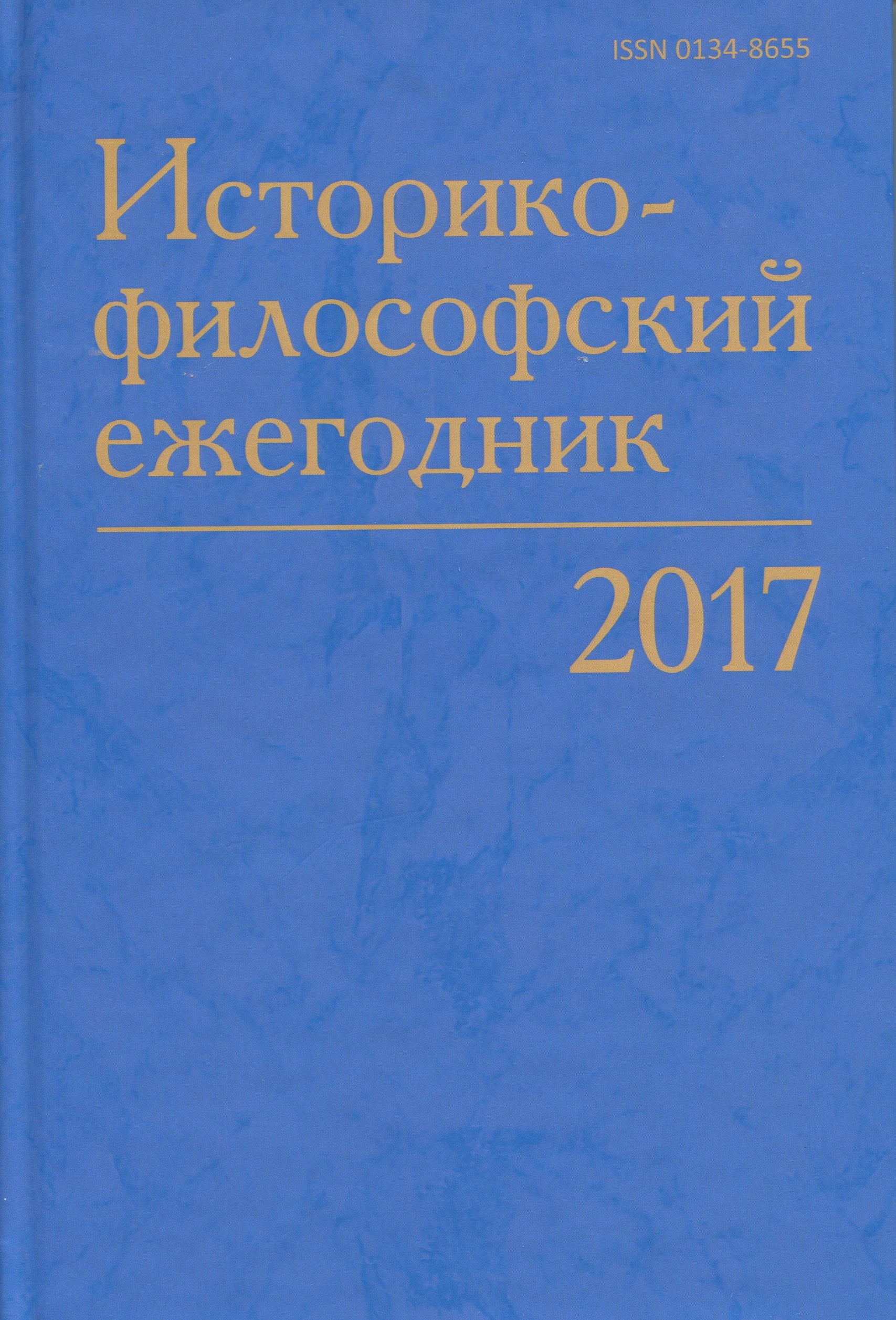
Downloads
Published
Data
1(091)Issue
Section
License

This work is licensed under a Creative Commons Attribution-NonCommercial 4.0 International License.